


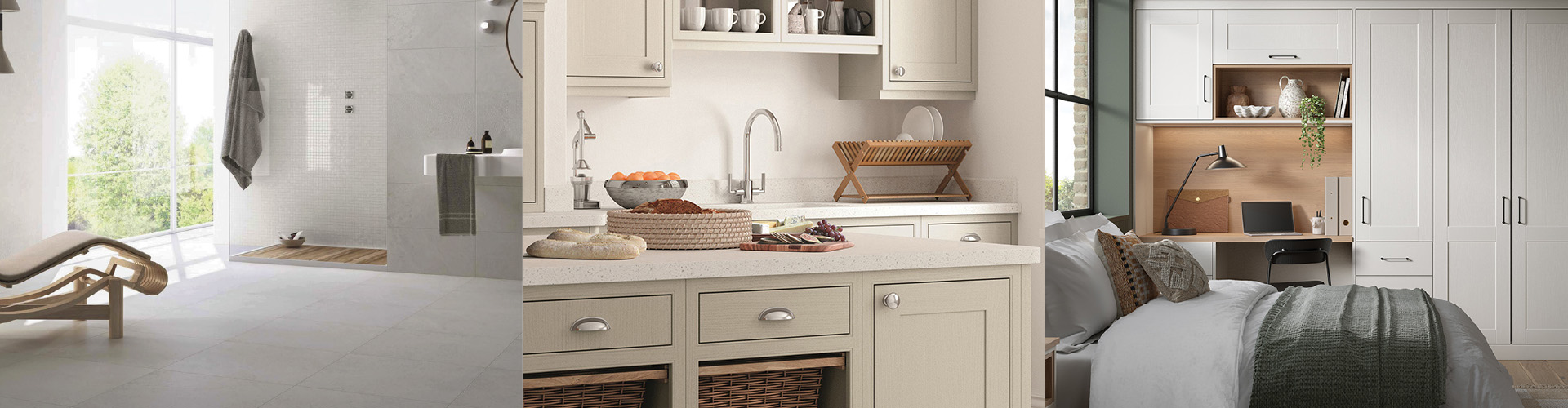
Why Natural Stone Remains the Gold Standard of Bathroom Luxury
In a market flooded with engineered surfaces, digital prints, and increasingly convincing imitations, natural stone has not just held its position at the top of the material hierarchy. It has strengthened it. The more sophisticated the alternatives become, the more clearly the qualities of genuine stone stand apart from everything trying to replicate it.
What is it about natural stone that no manufactured product has yet managed to genuinely replicate?
- Genuine, unrepeatable variation. Every slab of marble, travertine, limestone, or slate is unique. The veining, the colour shifts, the subtle surface texture are formed over millions of years and exist nowhere else in the world in exactly the same configuration. The bathroom you create with natural stone is, in a very real sense, one of a kind
- Depth that photographs cannot fully capture. Natural stone has a three-dimensional quality, a translucency in marble, a layered texture in travertine, that only becomes fully apparent when you are standing in front of it. It rewards close attention in a way that printed surfaces simply do not
- A connection to the natural world that makes a bathroom feel genuinely grounding and calming, rather than the product of a factory process
- Long-term value. A luxury stone bathrooms UK installation adds genuine, recognised value to a property. Buyers and estate agents alike understand what they are looking at when they see well-specified natural stone
- Timelessness by definition. Stone has been used in bathrooms since the Roman era for a very good reason. It does not date because it was never fashionable in a transient sense. It is simply beautiful, permanently
Our bathroom design and installation service integrates natural stone across every element of the bathroom, from floors and walls through to vanity tops and shower surfaces, creating schemes that feel cohesive and genuinely considered.
The Major Stone Types and What They Bring to a Bathroom
Understanding the character of different natural stones is essential to making the right choice for your specific bathroom. Each stone type has its own visual personality, its own practical characteristics, and its own ideal application. Here is a comprehensive guide:
|
Stone Type |
Visual Character |
Finish Options |
Best Application |
Maintenance Level |
|
Marble |
Luminous, veined, classically elegant |
Honed, polished, brushed |
Feature walls, vanity tops, floors |
Moderate, requires regular sealing |
|
Travertine |
Warm, earthy, naturally pitted |
Honed, filled, tumbled |
Wellness bathrooms, floors, walls |
Moderate, sealing recommended |
|
Limestone |
Soft, matte, deeply calming |
Honed, brushed |
Floors and walls in understated schemes |
Moderate, sealing recommended |
|
Slate |
Dark, moody, layered |
Natural cleft, honed |
Feature walls, shower areas |
Low, naturally dense |
|
Granite |
Speckled, robust, varied |
Polished, honed |
Vanity tops, floors in busy bathrooms |
Low, very durable |
|
Quartzite |
Dramatic veining, harder than marble |
Polished, honed |
Shower walls, statement surfaces |
Low to moderate |
The choice between these stone types is as much an emotional decision as a practical one. Standing in front of a slab of book-matched marble and standing in front of a warm, textured travertine wall are fundamentally different experiences, and the one that resonates with you is almost certainly the right starting point for your bathroom scheme.
Marble Bathroom Design: The Pinnacle of Classical Luxury
Of all the natural stones available, marble occupies a category entirely its own. Marble bathroom design UK homeowners choose for its unmistakable luminosity, its classical associations, and the sense of quiet, assured luxury it brings to any space that simply cannot be replicated by anything else on the market.
The key decisions within a marble bathroom are worth thinking through carefully:
- White and pale marbles, Carrara, Calacatta, Statuario, bring lightness and a sense of space that suits smaller bathrooms beautifully as well as larger, grander ones. The veining adds visual interest without any reliance on strong colour
- Dark marbles, Nero Marquina, Emperador, Black Saint Laurent, create a completely different atmosphere: dramatic, enveloping, and deeply luxurious. They work brilliantly in bathrooms designed around moody, atmospheric lighting and warm metal fittings
- Book-matching two adjacent slabs to create a mirrored veining pattern across a join is one of the most spectacular effects achievable in marble bathroom design UK A book-matched feature wall behind a freestanding bath stops people in their tracks, every single time
- Honed versus polished is a decision with practical as well as aesthetic implications. Polished marble reflects light beautifully and feels deeply glamorous. Honed marble is less slippery underfoot, shows fewer water marks, and suits contemporary schemes with a more restrained sensibility
The honest conversation about marble also includes its maintenance requirements. Marble is porous and susceptible to etching from acidic substances. It needs proper sealing on installation and periodic resealing thereafter. It scratches more easily than granite or quartzite. For many homeowners, these considerations are entirely manageable, and the beauty of the material makes them completely worthwhile. Browse our completed marble bathroom projects on the Sticks & Stones to see what properly executed marble design looks like in real Hampton homes.
Limestone and Travertine: The Understated Alternatives Worth Knowing
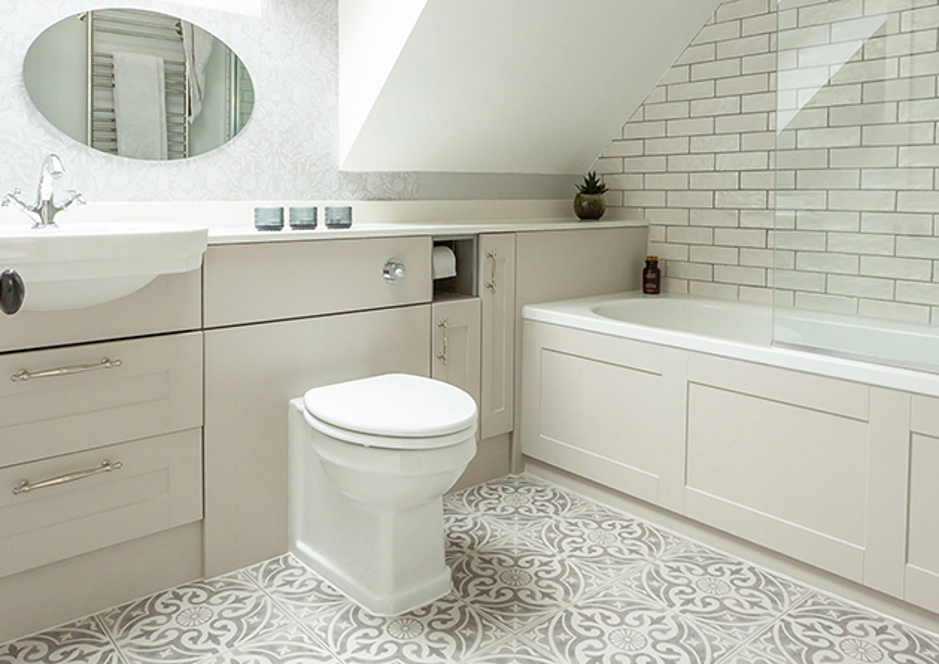
Not every homeowner drawn to natural stone wants the drama of marble. For those seeking something warmer, softer, and more quietly beautiful, limestone bathroom surfaces UK and travertine offer an alternative that is, in many ways, equally compelling and considerably more forgiving in daily use.
Limestone bathroom surfaces UK installations share a few distinctive qualities:
- A matte, soft finish that absorbs light rather than reflecting it, creating a calm, enveloping quality that suits wellness-focused bathrooms beautifully
- A palette of warm creams, soft greys, and sandy tones that complement wood, brass, and earthy ceramic tiles with extraordinary ease
- A natural variation that is subtler than marble, making it easier to use across large wall and floor areas without the scheme feeling visually busy
- Excellent compatibility with underfloor heating, since limestone conducts and retains warmth beautifully
Travertine brings its own distinct character to a bathroom: a warm, earthy quality rooted in its natural formation process, which leaves characteristic voids and channels in the stone's surface. These can be left unfilled for a more rustic, organic effect, or filled with a complementary grout for a smoother, more contemporary finish.
Both limestone and travertine benefit enormously from the right complementary materials. Our wood flooring options pair particularly beautifully with limestone and travertine bathroom floors, since the warmth of natural timber in an adjacent hallway or landing creates a material story that feels genuinely cohesive throughout the home.
Stone Bathroom Tiles: Choosing the Right Format and Finish
Once the stone type is decided, the format and finish of the tile are the next critical decisions. These choices have a significant impact on both the aesthetic of the finished bathroom and the practical experience of living with it day to day.
Here is a guide to the main format and finish options for stone bathroom tiles UK projects:
|
Format or Finish |
Visual Effect |
Practical Consideration |
Best Suited To |
|
Large format slabs (900mm+) |
Seamless, dramatic, minimal grout |
Higher material cost, skilled installation required |
Statement walls, large floor areas |
|
Standard tiles (300-600mm) |
Balanced, versatile, more accessible |
Good value, suitable for most bathrooms |
Floors and walls in any bathroom size |
|
Mosaic strips or borders |
Detail and texture within a larger scheme |
More grout maintenance required |
Accent elements, shower niches |
|
Polished finish |
Reflective, glamorous, amplifies colour |
Shows water marks more readily |
Walls, vanity splashbacks |
|
Honed finish |
Matte, calm, contemporary |
Less slippery, more forgiving of marks |
Floors, large wall areas |
|
Brushed or tumbled finish |
Aged, textural, organic warmth |
Very forgiving, hides marks naturally |
Wellness and rustic-inspired bathrooms |
Stone bathroom tiles UK projects that stand the test of time almost always involve a honed or brushed finish on floor surfaces for safety and practicality, with polished or book-matched stone reserved for walls and vanity surfaces where the reflective quality can be fully appreciated. The combination of the two within a single bathroom creates a richness and layering that is difficult to achieve with any other material.
The Tadelakt technique we specialise in at Sticks & Stones sits at the intersection of stone and plaster, creating a seamless, waterproof surface with the organic warmth of natural stone and none of the grout lines. Our Tadelakt plastering service is particularly popular for shower enclosures within natural stone bathroom design UK schemes, where the seamless quality of the finish complements the natural beauty of surrounding stone surfaces perfectly.
Designing a Natural Stone Bathroom That Lasts a Lifetime
The most enduring natural stone bathroom design UK projects share a handful of design principles that are worth understanding before any material decisions are finalised. These are the qualities that separate a bathroom homeowners are still genuinely delighted with twenty years later from one that looked impressive on completion but has not aged as well as hoped.
- Let the stone lead. Natural stone has enough visual presence to carry a room without needing much support. The most successful stone bathrooms are built around a restrained supporting palette of warm neutrals, considered metal finishes, and minimal decorative detail
- Invest in proper installation. Natural stone is unforgiving of poor substrate preparation, incorrect adhesive, or inadequate sealing. The quality of the installation is as important as the quality of the stone itself
- Consider the grout seriously. In a stone bathroom, grout colour and joint width are genuine design decisions. A tight joint in a complementary tone creates a seamless, sophisticated result. A wider joint in a contrasting colour can create an effect that looks striking initially but draws more attention to the joins than the stone
- Plan the lighting in relation to the stone. The way light interacts with natural stone, particularly the way it rakes across a textured travertine surface or passes through the translucent depths of marble, is one of the great pleasures of natural stone design. Good lighting planning that takes advantage of this quality transforms a beautiful bathroom into something genuinely extraordinary
- Seal properly and maintain consistently. Most natural stones require sealing on installation and periodic resealing over the years. This is a modest commitment that repays itself many times over in how the stone looks and performs over its lifetime
Luxury stone bathrooms UK homeowners who invest properly in material quality, installation craft, and ongoing care consistently report that their bathrooms not only look better over time but become one of the most appreciated spaces in the entire home. It is the kind of long-term return that very few other home investments can match.
If you have been considering natural stone for your bathroom and want to explore the options with a team that knows this material deeply and has been working with it across Hampton homes for over thirty years, we would be genuinely delighted to help. Get in touch with the Sticks & Stones team today and book your free consultation.
Frequently Asked Questions
Q: Is natural stone bathroom design too high maintenance for everydhoice and proper installation. Granite and slate are particularly durable and low maintenance choices for busy family bathrooms. Marble and limestone require a little more care, particularly around acidic substances, but with proper sealing and reasonable upkeep they are entirely manageable. Many of our clients with young families use natural stone throughout their bathrooms without any significant issues.
Q: How does natural stone compare to high-quality porcelain in a bathroom?
Both are excellent choices, and the right decision depends on priorities. Porcelain requires no sealing, offers complete consistency, and is available in convincing stone-effect finishes at a lower maintenance commitment. Natural stone has a depth, variation, and tactile quality that no manufactured product fully replicates, and it tends to add more recognised value to a property. Many of our clients use both in the same bathroom, with porcelain in high-wear areas and natural stone as a statement feature.
Q: What is the best natural stone for a shower area?
Slate, granite, and properly sealed marble or travertine all work well in shower areas. The key requirements are that the stone is properly sealed to resist water absorption and that a honed rather than polished finish is used on floor surfaces for slip resistance. Regular resealing is particularly important in shower areas given the constant water exposure.
Q: How long does a natural stone bathroom renovation take?
Most of our natural stone bathroom projects complete within three to six weeks after the design phase is finalised, depending on the scope of the work and the complexity of the stone installation. Book-matched slabs and specialist finishes like Tadelakt require additional care and time. We provide a clear, honest timeline at the consultation stage so you can plan accordingly.
Q: Does natural stone add value to a UK property?
Yes, consistently and significantly. Natural stone is one of the few bathroom materials that estate agents actively highlight as a selling point, and buyers who understand quality recognise it immediately. A well-specified natural stone bathroom in good condition is a genuine asset when it comes to selling a property, and the enjoyment it provides in the meantime makes it one of the most rewarding home investments available.

