


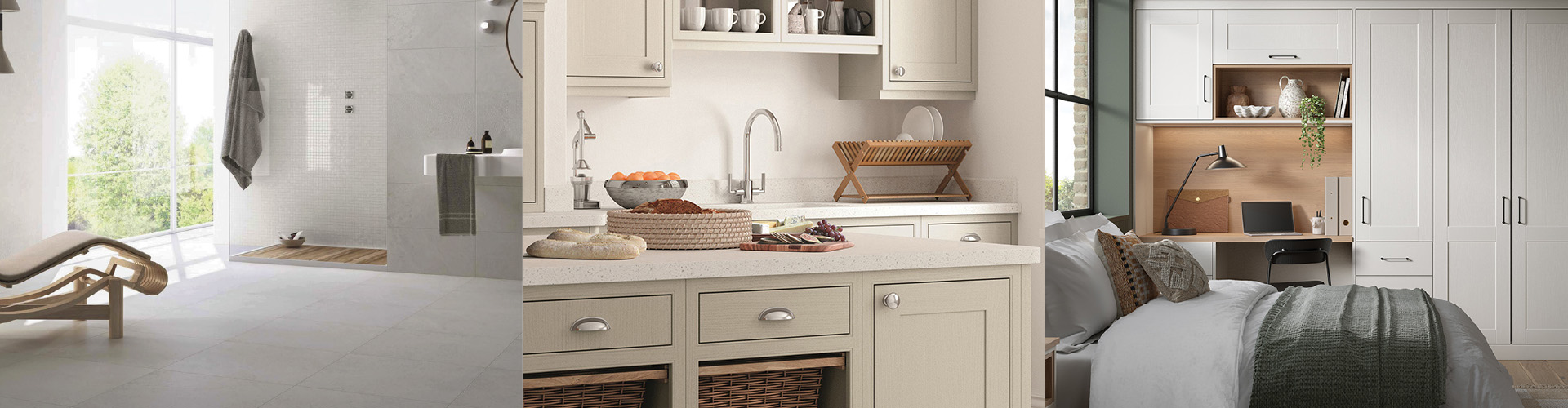
Statement Kitchen Worktops for Modern Luxury
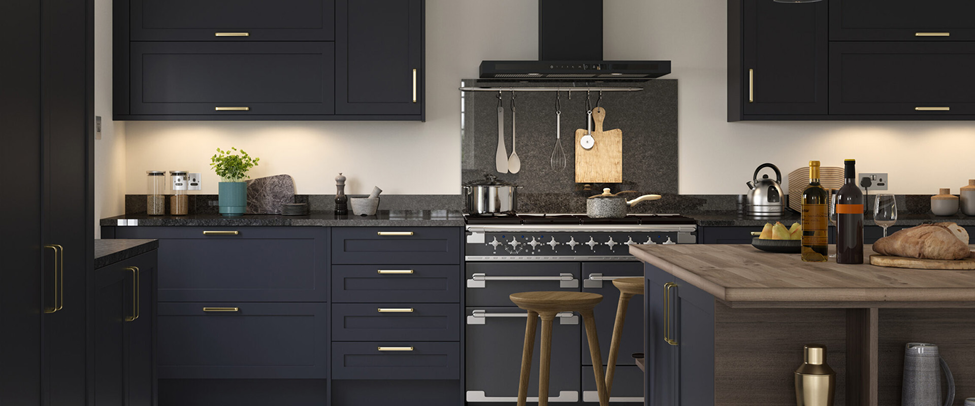
Why the Worktop Has Become the Star of the Kitchen
For a long time, the worktop was treated as a practical decision rather than a design one. Pick something durable, pick something in a colour that does not clash, get on with the rest of the kitchen. That thinking has changed dramatically, and for very good reason.
What has shifted the worktop from afterthought to centrepiece?
- The rise of open plan living means the kitchen worktop is now visible from the dining table, the sofa, and often the front door. It is on permanent display in a way it never used to be
- Advances in stone and engineered surface technology mean the luxury kitchen surfaces UK homeowners can access today are more dramatic, more durable, and more varied than ever before
- Social media has given everyone a masterclass in what a truly beautiful worktop looks like, and expectations have risen accordingly
- A great worktop genuinely adds value to a property, making it as much a financial decision as an aesthetic one
- Homeowners are increasingly willing to spend more on fewer, better things rather than spreading budget thin across everything
The result is a real shift in kitchen material trends UK designers are seeing across every project, from compact galley kitchens to sprawling open plan family spaces.
Quartz Worktops: The Reliable Showstopper
If there is one material that has earned its place as the default premium choice for UK kitchens, it is quartz. Quartz worktops UK homeowners specify time and again strike a brilliant balance between dramatic looks and genuinely sensible practicality, which is exactly why it remains the most popular surface we install.
Here is what makes quartz such a compelling choice:
- Engineered consistency. Unlike natural stone, quartz is manufactured to a consistent pattern and colour, which means what you see in the showroom is precisely what arrives in your kitchen
- Exceptional durability. Quartz is highly resistant to scratching, staining, and heat, making it a brilliant choice for a busy family kitchen that gets properly used rather than just admired
- Non-porous surface. No sealing required, ever. Spills wipe away cleanly and there is no risk of staining from wine, oil, or turmeric, which any home cook will appreciate enormously
- An enormous range of finishes. From convincing marble-effect veining to bold solid colours and everything in between, quartz now mimics natural stone so well that the differences are often only visible up close
The technology behind quartz has improved so significantly in recent years that many of the most striking statement kitchen worktops UK kitchens are featuring quartz rather than natural stone, simply because the practicality makes it the smarter long-term choice without sacrificing any of the drama.
Marble Worktops: Timeless Luxury With a Few Honest Trade-offs
Nothing quite matches the visual impact of real marble. Marble kitchen worktops UK homeowners install are choosing it for one simple reason: there is no engineered surface, however good, that fully replicates the depth, movement, and luminosity of genuine natural stone.
It is worth being honest about both sides of the marble conversation, because it is not the right choice for everyone.
|
Consideration |
Marble |
Quartz |
|
Visual depth |
Unmatched natural veining and luminosity |
Excellent, increasingly convincing replicas available |
|
Durability |
More prone to scratching and etching from acids |
Highly resistant to scratching and staining |
|
Maintenance |
Requires regular sealing |
No sealing required |
|
Heat resistance |
Good, but trivets recommended |
Good, but trivets still advisable |
|
Cost |
Generally higher, varies considerably by type |
Slightly more predictable pricing |
|
Best suited to |
Statement islands, lower traffic areas |
Busy family kitchens, main work surfaces |
A popular and genuinely brilliant compromise we recommend often is to use marble on a statement island, where it gets admired more than it gets chopped on, and quartz on the main run of cabinetry where the daily wear and tear actually happens. This gives you the visual drama of marble exactly where it matters most, paired with the practicality of quartz where you need it.
Waterfall Edge Worktops: The Detail That Stops People in Their Tracks
If there is one single feature defining the most photographed kitchens in the country right now, it is the waterfall edge. Waterfall edge worktops UK designers are specifying see the worktop material continue seamlessly over the side of the island, running all the way down to the floor in one unbroken sheet rather than stopping abruptly at the edge.
The effect is genuinely dramatic, and here is why it works so well:
- It transforms the island from a piece of furniture into something closer to a sculptural object in the room
- Continuous, book-matched veining running over the waterfall edge creates a visual moment that simply cannot be achieved any other way
- It hides the structural side panel of the island completely, giving the whole piece a sense of weight and solidity
- It works in both contemporary and more traditional kitchens, provided the surrounding cabinetry and finishes are considered in relation to it
The waterfall edge does require more material and more skilled fabrication than a standard worktop, so it represents a genuine investment. For most homeowners who choose to install one, it is also the single feature visitors comment on first, every single time. Take a look at our project gallery on the Sticks & Stones homepage to see waterfall edge installations we have completed in real Hampton kitchens.
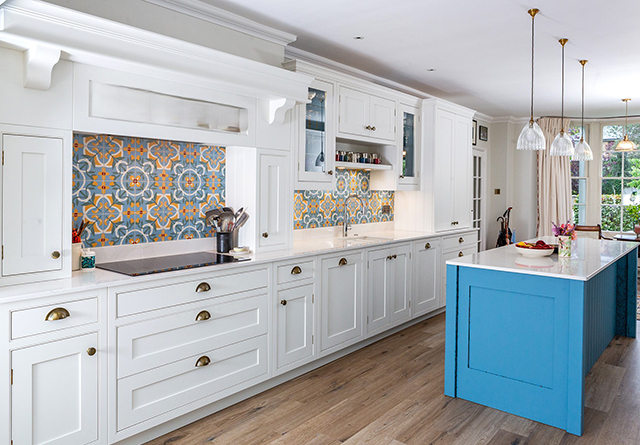
Other Surfaces Worth Genuine Consideration
Quartz, marble, and the waterfall edge detail dominate the conversation, but they are not the only options worth knowing about. A handful of other materials are gaining real traction among homeowners who want something with a bit more individual character.
- Granite remains a brilliant choice for those who want genuine natural stone with exceptional heat resistance and durability. Its more granular, speckled appearance suits a slightly different aesthetic than marble, often leaning more rustic or traditional
- Porcelain worktops are an increasingly popular alternative, offering extraordinary heat and scratch resistance along with the ability to mimic both marble and concrete finishes in large, virtually seamless slabs
- Solid wood worktops, particularly oak, bring genuine warmth and are a brilliant choice for an island or a section of worktop where a softer, more characterful material complements a stone surface elsewhere in the kitchen. If you love the warmth of timber, it is well worth exploring our wood flooring options too, so the warmth of the worktop is echoed underfoot
- Concrete-effect surfaces, whether genuine polished concrete or an engineered alternative, suit contemporary and industrial-leaning kitchens beautifully, with a raw, tactile quality that works particularly well alongside warm timber cabinetry
Whatever direction appeals to you, the right tiles and finishes elsewhere in the kitchen need to work in harmony with whatever worktop you choose. Our wall and floor tile collection is a great place to find a splashback or floor finish that complements your chosen surface rather than competing with it.
How to Choose the Right Worktop for Your Kitchen
With so many genuinely beautiful options available, the decision can feel overwhelming. Here is a straightforward way to think it through:
Consider how you actually cook. If you bake regularly, chop a lot, or cook with strong colour ingredients like turmeric and beetroot, durability and stain resistance should weigh heavily in your decision. If your kitchen is more about hosting and entertaining than heavy daily cooking, you have more freedom to prioritise pure visual drama.
Think about the kitchen's overall material story. A worktop should never be chosen in isolation. It needs to sit comfortably alongside your cabinetry finish, your flooring, and your splashback. A bold marble worktop against an equally bold cabinetry colour can fight rather than flatter. Often the most striking kitchens let one material lead and everything else support it.
Be honest about maintenance. Natural stone is genuinely beautiful, but it asks a little more of you in terms of sealing and care. Quartz and porcelain ask very little. There is no wrong answer here, only the right answer for how you actually want to live.
Factor in long-term value. A beautifully chosen, well-installed worktop is one of the kitchen elements least likely to need replacing. Investing properly here, even if it means trimming the budget elsewhere, tends to be one of the smartest decisions homeowners make.
If you are weighing up your options and would benefit from seeing and touching the materials in person rather than guessing from a sample swatch, our showroom in Hampton Hill carries a brilliant range across every category covered here. And if your renovation extends beyond the kitchen, it is well worth having a look at our bathroom design service too, since many of these same premium surfaces work beautifully across both rooms.
Bringing It All Together With Sticks & Stones
Choosing a statement worktop is one of the most exciting decisions in any kitchen renovation, and it deserves proper expert guidance rather than a rushed decision made under pressure from a supplier with limited stock. At Sticks & Stones, we have been helping homeowners across Hampton and the surrounding areas make exactly these decisions since 1994.
Our approach to worktops, and to kitchen design more broadly, always starts with understanding how you live and what you want the space to feel like. From there, we guide you through material options honestly, including the genuine trade-offs, so you make a decision you will be properly chuffed with for years to come rather than one you simply liked the look of on a Tuesday afternoon.
A few things worth knowing about working with us:
- Free home survey, consultation, and full 3D design before any commitment
- Access to a curated range of premium quartz, marble, porcelain, and timber surfaces
- Skilled, experienced fabrication and installation managed entirely by our own team
- Flexible finance options available to help spread the cost of a larger project
- Genuine aftercare once the project is complete
If you are ready to give your kitchen the centrepiece it deserves, we would love to help you find it. Get in touch with the Sticks & Stones team today and book your free consultation.
Frequently Asked Questions
Q: What is the most durable worktop material for a busy family kitchen?
Quartz is generally considered the most practical choice for busy family kitchens thanks to its resistance to scratching, staining, and heat, combined with the fact that it never needs sealing. Porcelain is another excellent option with similarly impressive durability credentials.
Q: Is marble too impractical for everyday use in a kitchen?
Not necessarily, but it does require more care than quartz or porcelain. Marble is more prone to etching from acidic spills like lemon juice or wine, and it benefits from regular sealing. Many homeowners manage this beautifully by using marble on a statement island while choosing quartz for the main, heavily used work surfaces.
Q: How much more expensive is a waterfall edge worktop compared to a standard edge?
Waterfall edges require additional material and more skilled fabrication, so they do represent a greater investment than a standard square or rounded edge. The exact difference depends on the material chosen and the size of the island, and we provide a detailed, transparent quote at the consultation stage, so you know precisely what you are working with.
Q: Can I mix two different worktop materials in the same kitchen?
Absolutely, and it is a popular and very effective approach. Combining a dramatic stone on a statement island with a more practical surface on the main run of cabinetry gives you the best of both worlds, both visually and practically. Our designers are very experienced at helping clients strike that balance.
Q: How do I know which worktop colour will suit my kitchen?
Consider the overall material story of the room rather than picking the worktop in isolation. Look at your cabinetry colour, your flooring, and your wall finishes together, and decide which single element you want to lead visually. We always recommend viewing physical samples in your actual kitchen lighting before making a final decision, as colours and veining can look quite different under showroom lights compared to home.

